i-How: How Accurate is the Jurassic World Pteranodon?
Film versions of Pteranodon frequently show these large flying reptiles swooping down to snatch prey with their feet and terrorising humans. While the general appearance—large wingspan, long crest, and toothless beak—is fairly accurate, palaeontologists believe Pteranodon caught fish with its beak rather than grasping with its feet. The predatory behaviour and size are often exaggerated, with films favouring spectacle over a more scientifically grounded portrayal. Dinosaurs
Contents:
How accurate is Jurassic World Pteranodon?
Jurassic Park's Pteranodons are a mix of real science and movie magic. Some things about them are true to life, like how they fly and the way they walk on all fours. But other things are just made up for the film, like giving them sharp teeth, feet like birds so they can grab people, and making them fierce preators. In real life, Pteranodons didn’t have teeth, couldn’t carry humans, and weren’t really that scary. They also looked a bit fluffier. So, while they’re cool in the movie, they weren’t really like that in real life.
Jurassic Park Pteranodon
What the films got right?
What the films got wrong?
- Size: The Jurassic Park Pteranodon is significantly oversized compared to the real-life animal.
- Teeth: The movie gives them teeth, but the real Pteranodons didn’t have any.
- Feet & strength: In the film, they can grab and carry people, but real ones were only strong enough to catch things like fish, not humans!
- Behaviour: The movie makes them act like scary pack hunters, but in real life, they probably just ate small animals or were scavengers.
- Appearance: Real Pteranodons had some hair-like structures covring their bodies.
In short, the Jurassic Park Pteranodons are exciting and fun to watch, but they’re not exactly how real Pteranodons were. The movie mixed real science with a lot of imagination to make them scarier and more memorable.
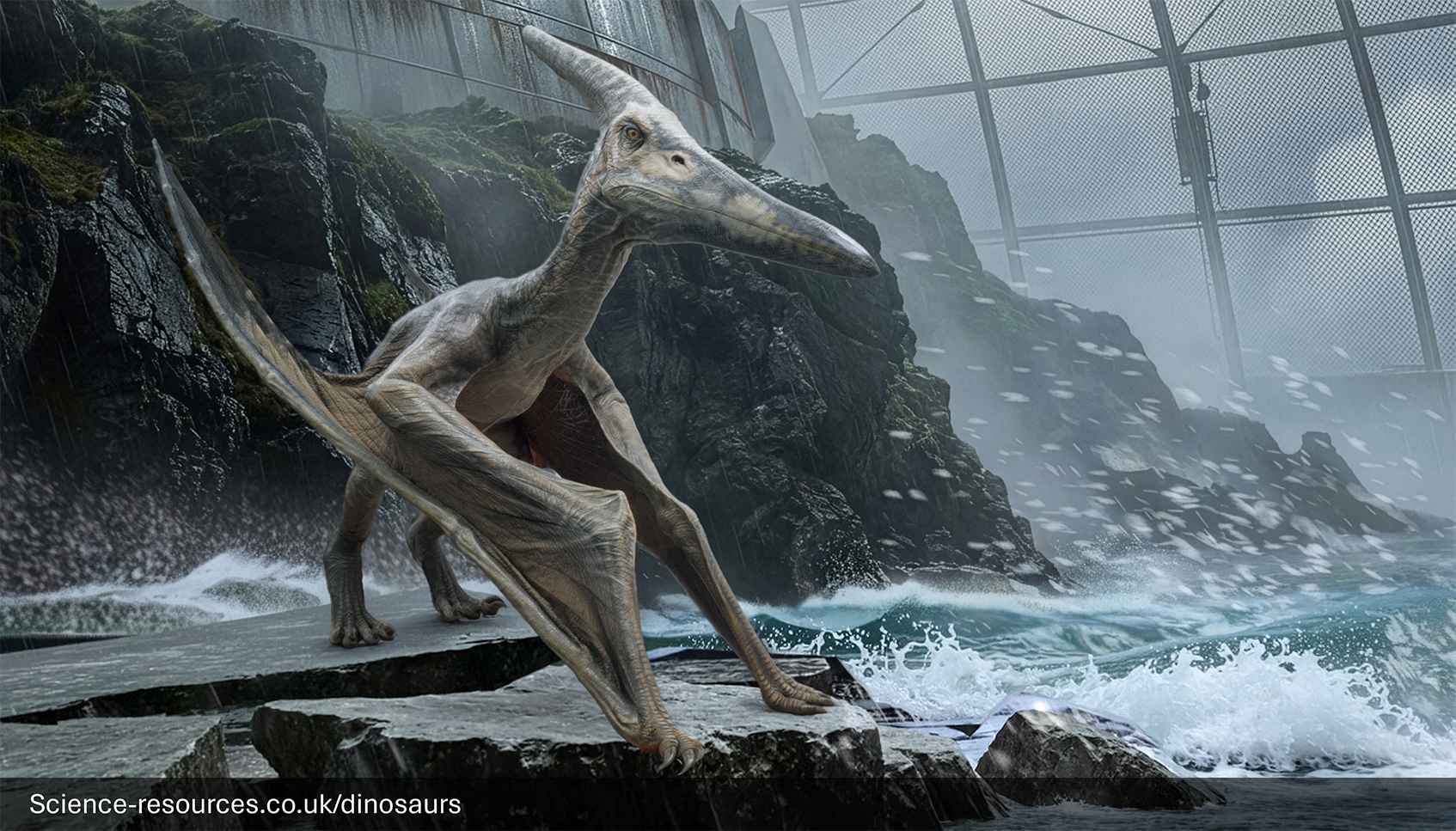 Jurassic Park / Jurassic World Pteranodon (Image source: https://science-resources.co.uk/dinosaurs.html)
Jurassic Park Pteranodon size comparison
|
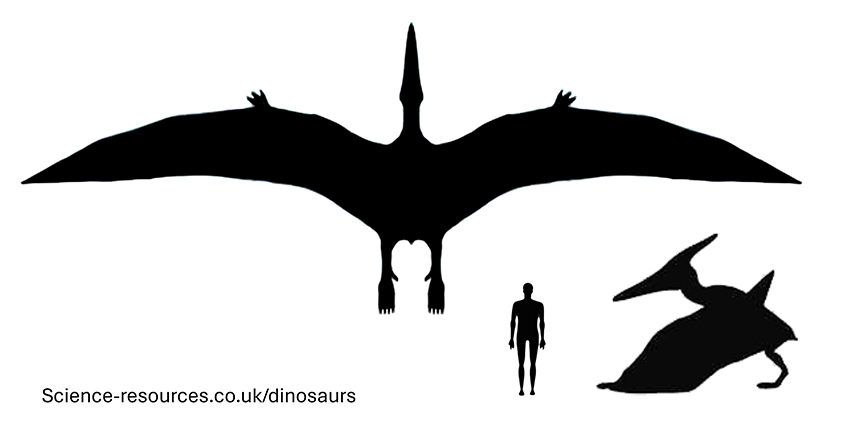
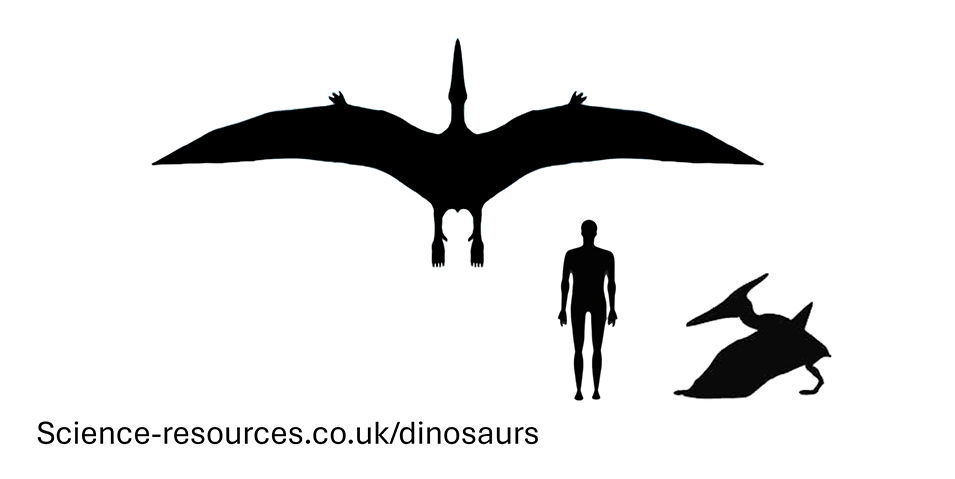
Left: Jurassic Park Pteranodon size compared to an average-sized adult human
Right: Actual Pteranodon size compared to an average-sized adult human
(Image source: https://science-resources.co.uk/dinosaurs.html)
Modern-day Pteranodon
Pteranodon had a distinct appearance with: A large crest at the back of its skull, which was larger in males and may have been used for species recognition or balance. Toothless, long, pelican-like jaws. Robust but hollow bones, making them lightweight and strong for flight. Relatively large hind limbs and a small body compared to its wings.
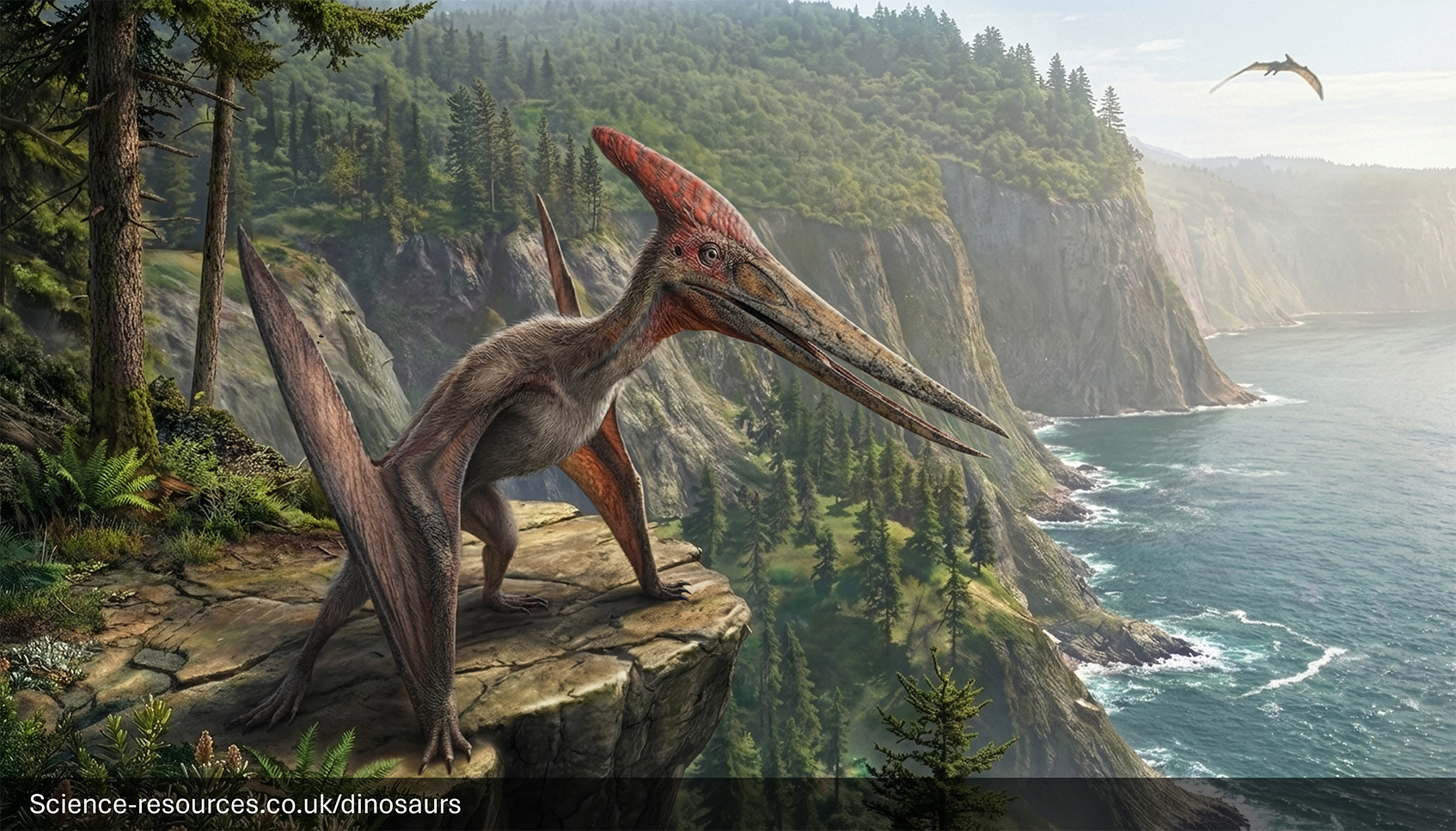 Modern-day Pteranodon (Image source: https://science-resources.co.uk/dinosaurs.html)
Next: How big were Dinosaurs?
Tags: How accurate are Jurassic Park Dinosaurs?; How accurate is Jurassic Park Brachiosaurus?; How accurate is Jurassic Park Tyrannosaurus?; How accurate is Jurassic Park Velociraptor?; How accurate is Jurassic Park Spinosaurus?; How accurate is Jurassic Park Dilophosaurus?; How accurate is Jurassic Park Pteranodon?; How accurate is Jurassic Park Compsognathus?; How accurate is Jurassic World Mosasaurus?